Split Ends: Why They Happen & What Actually Fixes Them
Split ends are one of those hair problems almost everyone encounters eventually.
You notice a few rough-looking ends, reach for a conditioner, and hope they disappear. But split ends aren’t quite that simple. Understanding why split ends happen changes the way you approach them—and can help you prevent new ones from appearing.
The science behind split ends is actually fascinating.
Hair may look strong, but the ends are the oldest and most weathered part of each strand. By the time a strand reaches the ends, it has already experienced months or even years of washing, brushing, heat, sunlight, styling, and everyday friction.
So, what actually causes split ends? Can they be repaired? And what can you do to prevent them?
Let’s break it down.
What Are Split Ends?
A split end happens when the protective outer layer of a hair strand becomes damaged and the strand begins to separate at the end.
Healthy hair has a protective outer layer called the cuticle. It consists of overlapping cells that help protect the inner structure of the hair.
When the cuticle becomes significantly worn or damaged, the underlying fibers can become exposed. Eventually, the end of the strand may split into two or more sections.
That’s where the familiar “Y-shaped” split end comes from.
And once the strand has actually split, there’s an important fact to understand:
A split end cannot permanently repair itself.
Products can temporarily smooth the appearance and feel of damaged ends, but they cannot permanently fuse a naturally split hair strand back together.
Why Do Split Ends Happen?
There isn’t always one single cause.
Usually, split ends are the result of cumulative damage.
Everyday habits that can contribute include:
- Frequent heat styling
- Repeated chemical treatments
- Aggressive brushing or detangling
- Tight hairstyles
- Friction from clothing or bedding
- Excessive washing or harsh cleansing
- Sun and environmental exposure
- Dryness and lack of conditioning
- Rough towel drying
One day of styling usually isn’t responsible for a sudden outbreak of split ends.
Instead, small amounts of damage can accumulate over time.
Heat Styling and Split Ends
Heat styling is one of the biggest things I pay attention to when trying to reduce hair damage.
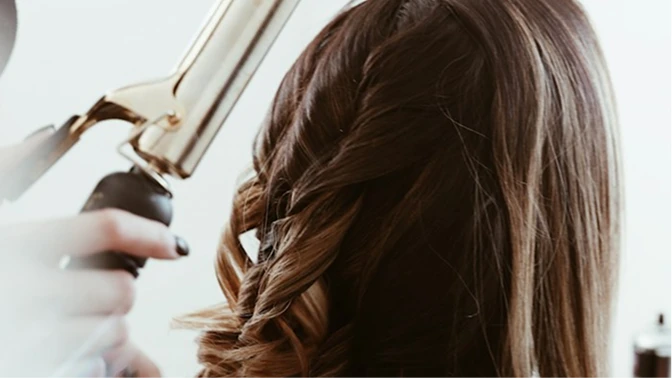
Flat irons, curling irons, and blow dryers can expose hair to high temperatures. Repeated exposure can contribute to changes in the hair’s structure and make the strands more vulnerable to breakage.
That doesn’t mean you have to eliminate heat styling completely.
Instead, I focus on reducing unnecessary exposure.
Using a lower heat setting when appropriate, avoiding repeatedly passing a hot tool over the same section, and using a suitable heat-protective product can all be useful parts of a hair-care routine.
The goal is simple: use heat intentionally rather than constantly.
Brushing Can Also Matter
Brushing seems harmless, but how you brush can make a difference.
Aggressively pulling a brush through tangled hair creates mechanical stress. Over time, repeated mechanical stress can contribute to breakage and damage.
I prefer to detangle gently, especially when my hair is wet.
Starting at the ends and gradually working upward allows me to remove tangles without forcing the brush through the entire length.
A wide-tooth comb can also be helpful when dealing with wet or particularly tangled hair.
The Role of Hair Washing
Clean hair is important, but washing too aggressively can leave some hair types feeling dry.
The right washing routine depends on your hair type, scalp, styling habits, and how much buildup you have.
Instead of following a universal schedule, I pay attention to how my hair and scalp actually feel.
When shampooing, I focus primarily on cleansing the scalp and allow the product to rinse through the lengths rather than aggressively scrubbing the ends.
Then I follow with conditioner, concentrating on the mid-lengths and ends.
Can You Actually Repair Split Ends?
This is probably the biggest question surrounding split ends.
The honest answer is:
Once a hair strand has genuinely split, you cannot permanently repair the original strand with a hair product.
However, certain conditioners and treatments can temporarily improve the appearance and feel of damaged hair.
They may help smooth the cuticle, reduce friction, improve softness, and make the ends appear healthier.
That’s useful—but it’s different from permanently reversing structural damage.
Think of these products as helping manage the appearance and feel of damaged hair rather than rebuilding a completely new strand.
So, What Actually Gets Rid of Split Ends?
For an existing split end, the most reliable solution is trimming the damaged portion.
A haircut or trim removes the visibly split section.
The exact amount depends on how far the damage has traveled and how much length you want to maintain.
If you’re trying to grow your hair longer, regular small trims may feel frustrating, but removing severely damaged ends can help keep the hair looking and feeling more manageable.
The important thing is not to think of trimming as “making hair grow faster.”
Hair growth happens at the scalp.
Trimming doesn’t change the rate at which your hair grows. Instead, it removes damaged ends and can help you maintain the length you’ve already grown by reducing the amount of damaged hair that remains.
How to Prevent Split Ends
You can’t guarantee that you’ll never develop split ends, but you can reduce the amount of damage your hair experiences.
1. Condition Regularly
Conditioner helps improve slip, softness, and manageability.
I concentrate conditioner on the lengths and ends, where hair often needs more conditioning than the scalp.
2. Be Gentle When Detangling
Don’t force a brush through a large knot.
Work through tangles gradually, starting at the ends and moving upward.
3. Reduce Excessive Heat
If you’re using hot tools frequently, consider reducing the frequency or temperature when possible.
Give your hair some heat-free days.
4. Avoid Excessive Friction
Hair can experience friction from towels, clothing, pillows, and hairstyles.
Instead of aggressively rubbing wet hair with a towel, gently squeeze out excess water.
5. Protect Your Hair Outdoors
Sun, wind, and environmental exposure can contribute to hair dryness and wear.
When you’re spending a long time outdoors, consider physical protection such as a hat or a hairstyle that keeps the lengths contained.
6. Don’t Ignore Your Ends
The ends are the oldest part of your hair, so they often need the most attention.
A little extra conditioner or a suitable leave-in product can help improve softness and reduce tangling.
Why Some Hair Types Get Split Ends More Easily
Everyone’s hair can develop split ends, but the way damage appears can vary.
Curly and textured hair can sometimes experience more dryness because natural oils from the scalp may not travel along the hair shaft as easily.
Long hair also has older ends simply because those strands have been around longer.
Color-treated or chemically processed hair may also require additional care because chemical processing can alter the hair’s structure.
This is why there’s no single perfect routine for everyone.
Your hair type and styling habits should influence how you care for your ends.
The Difference Between Dry Ends and Split Ends
Dry ends and split ends are related, but they’re not the same thing.
Dry hair may feel rough, dull, or difficult to manage because it lacks moisture and conditioning.
Split ends involve physical separation or splitting of the hair strand.
You can improve the feel of dry hair with conditioning and moisturizing products.
A true split end, however, needs to be removed to permanently eliminate the damaged section.
Knowing the difference can save you from constantly buying products hoping they’ll “heal” something that actually needs a trim.
My Simple Split-End Strategy
If I notice my ends becoming rough or developing visible splits, I keep my routine simple.
I focus on:
Gentle cleansing → regular conditioning → careful detangling → less unnecessary heat → protection from friction and environmental stress → trimming when needed.
I don’t try to cover up the problem with layers of product.
Products have their place, especially for improving softness and manageability, but prevention and regular maintenance are much more useful in the long run.
Final Thoughts
Split ends aren’t mysterious once you understand what’s happening to the hair.
They’re essentially the result of accumulated damage to the hair strand, particularly the protective outer layer. Heat, friction, chemical treatments, environmental exposure, and rough handling can all contribute.
And perhaps the most important thing to remember is that split ends can’t be permanently repaired once the strand has actually separated.
Conditioners and treatments can temporarily improve how damaged hair looks and feels, but trimming is what removes an existing split.
The best strategy is therefore a combination of prevention, gentle care, conditioning, and regular trims when necessary.
Once you understand the cause, taking care of split ends becomes much less confusing.
Instead of asking, “What product will fix my split ends?” the better question is:
“What is causing my ends to become damaged, and how can I reduce that damage?”
That’s the approach that makes a real difference over time.